
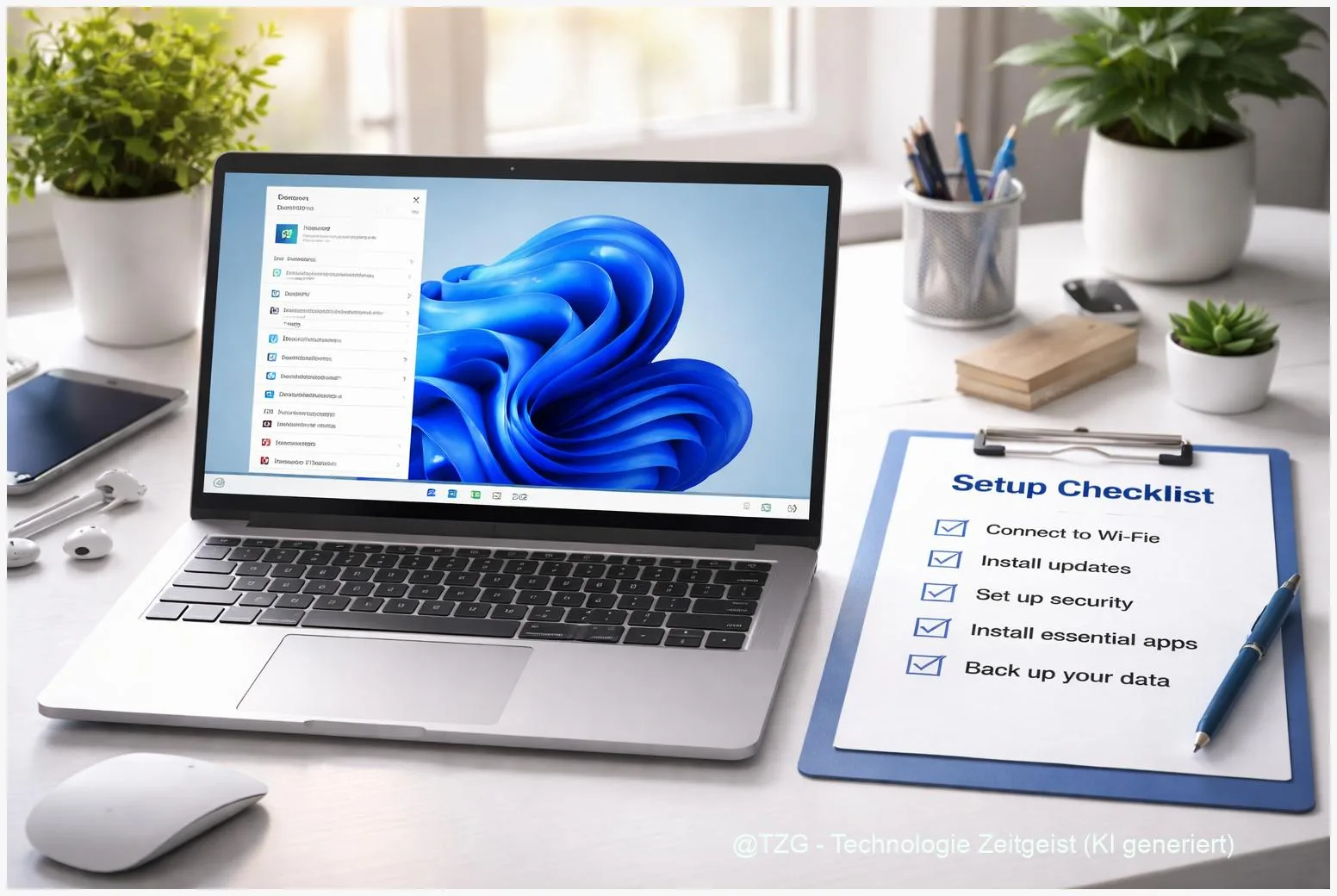
A new PC should feel fast and safe right away, not slow, noisy, or full of unwanted prompts. This Windows 11 setup checklist shows how to set up a new Windows 11 PC in a clean, practical order: connect and update safely, lock down sign-in and encryption, choose sensible privacy options, and install only what you actually need. After these steps, you will have a stable base you can trust for school, work, gaming, or everyday browsing.
Introduction
Unboxing a new Windows 11 laptop or desktop often starts the same way: you want to sign in, install a few apps, and move on. But the first hour decides a lot. If you skip updates, you might run into Wi‑Fi dropouts, unstable graphics drivers, or battery drain. If you rush through sign-in and security, losing the device later can turn into a real data problem.
The good news: Windows 11 already includes strong protection tools, and most of the setup is a matter of choosing the right options in the right order. The goal is not a “perfect” PC. It is a PC that updates reliably, is easy to recover, and does not share more data than necessary.
The checklist below keeps things practical: first the essentials (updates, account, encryption), then privacy and cleanup, and finally the apps and quality-of-life tweaks you will notice every day.
Windows 11 setup checklist: the essentials in plain language
Windows 11’s first-run setup (often called the “out-of-box experience”) asks about your account, internet, and privacy options. Behind the scenes, Windows can also enable security features that are easy to miss later—especially Device Encryption (drive encryption that helps protect your files if the PC is lost) and Windows Hello (a safer sign-in method using a PIN and, on many devices, fingerprint or face recognition).
A smooth Windows 11 start is mostly about order: update first, secure access second, personalize and optimize last.
Another key term is Windows Update. It does not just deliver system patches; it can also provide hardware drivers, and sometimes firmware updates, depending on the device. You will also see Windows Security, the built-in security app where features like SmartScreen (reputation-based protection against malicious downloads) and core protection settings live.
| Option or Variant | Description | Suitable for |
|---|---|---|
| Microsoft account + sync | Easier recovery, settings sync, and often automatic device encryption (hardware-dependent). | Most home users who want convenience and recovery options. |
| Local account (offline) | Less cloud integration; some convenience features may be limited and encryption may not auto-enable. | Privacy-focused setups or shared PCs with minimal syncing. |
Preparation and prerequisites (10 minutes that save hours)
Before you click through the first screens, get a few basics ready. This reduces the chance of repeating setup steps or ending up with missing drivers later.
Use this quick prep list:
- Stable internet: Prefer a known Wi‑Fi network or Ethernet. Many updates happen right after first sign-in.
- Power connected: Keep laptops plugged in during updates. If your device installs firmware updates, interruptions can be risky.
- Account decision: Decide if you want a Microsoft account or a local account. A Microsoft account can simplify recovery (for example, storing recovery keys for encryption), but it is your choice.
- Passwords and 2FA: If you use a Microsoft account, enable two-factor authentication (2FA) in your account settings. 2FA means you need a second confirmation (like an app prompt) in addition to your password.
- Old PC migration (optional): If you are moving from an older device, gather your browser bookmarks, password manager login, and any license keys you still need.
- Plan your “must-have” apps: Write down what you truly need on day one (browser, Office, messenger, printer app) to avoid installing clutter.
If you like to tune performance early: keep your startup list clean later. TechZeitGeist has a practical guide on disabling startup programs safely in Windows 11 (useful once your apps are installed).
Step-by-step: set up a new Windows 11 PC the fast and secure way
The sequence below aims for a reliable baseline first. You can personalize more later without risking security or stability.
- Complete first-run setup (OOBE) calmly: Choose region and keyboard, connect to internet, then create your account. When asked for a PIN, set one up—Windows Hello uses the PIN as the secure default sign-in method.
- Run Windows Update until it is truly finished: Open Settings > Windows Update and install everything offered. Reboot when prompted, then check again. Repeat until you see no more pending updates.
- Check “Optional updates” for drivers (only if needed): In Windows Update, look under advanced options for Optional updates. This area may include additional drivers (and on some devices, firmware). Install driver updates if you have issues (for example, Wi‑Fi, touchpad, audio) or if the PC is clearly missing a device function.
- Verify sign-in security: Go to Settings > Accounts > Sign-in options. Add fingerprint or face recognition if available. Keep the PIN even if you add biometrics; it is the fallback.
- Turn on encryption (or confirm it is on): Open Settings > Privacy & security. Look for Device encryption (name can vary by edition and hardware). If available, enable it and make sure you have a recovery method. If you use a Microsoft account, Windows may back up a recovery key to your account automatically (depending on device and edition).
- Review Windows Security defaults: Open Windows Security from the Start menu. Check Virus & threat protection is on, and review App & browser control to keep SmartScreen protections enabled for everyday browsing and downloads.
- Set privacy options you actually want: In Settings > Privacy & security, review permissions like Location, Camera, and Microphone. A good rule: leave access on only for apps that truly need it (video calls need camera/mic; a calculator does not).
- Remove obvious unwanted apps: Open Start > All apps, uninstall what you do not use (games trials, vendor promos). Less clutter means fewer background tasks and fewer notifications.
- Install essential apps from trusted sources: Prefer the Microsoft Store for mainstream apps where possible, or the vendor’s official site. Avoid “download portals” that bundle installers.
- Do two quick usability tweaks: Set your default browser/PDF app and pin the apps you use daily. If you want a clean baseline for defaults, TechZeitGeist explains how to change default apps in Windows 11 without hunting through menus.
When you are done, your PC should feel noticeably calmer: fewer pop-ups, updates completed, and a clear sign-in method. A quick sanity check is opening Windows Update once more and confirming your next restart is not pending.
Tips, troubleshooting, and safe variants
Windows Update keeps offering more updates after you reboot: That is normal. Drivers and cumulative updates can appear in waves. Keep checking until the list stays empty.
You see “Optional updates” with many driver entries (or duplicates): Optional driver updates are not always required for a stable system. If everything works, it is reasonable to leave them alone. Install a driver from Optional updates mainly when you are fixing a specific issue (Wi‑Fi, Bluetooth, graphics glitches) or after a clean reinstall.
Device encryption is missing or cannot be turned on: Not all Windows 11 editions and hardware combinations offer the same encryption options. If you do not see Device encryption, you can still improve safety by using a strong sign-in, keeping updates current, and avoiding storing sensitive files unencrypted on the device. (On some editions, full BitLocker management is available; on others, it is not.)
Memory Integrity / Core Isolation is off: This protection can be blocked by incompatible drivers on some systems. If you want to enable it later, update drivers first and re-check Windows Security. If performance matters (for example, competitive gaming), test the impact on your system before leaving it on permanently.
Privacy variant that stays practical: Instead of trying to disable everything, focus on what changes your daily footprint: turn off permissions for apps that do not need them, avoid excessive background apps, and keep SmartScreen protections on for safer downloads.
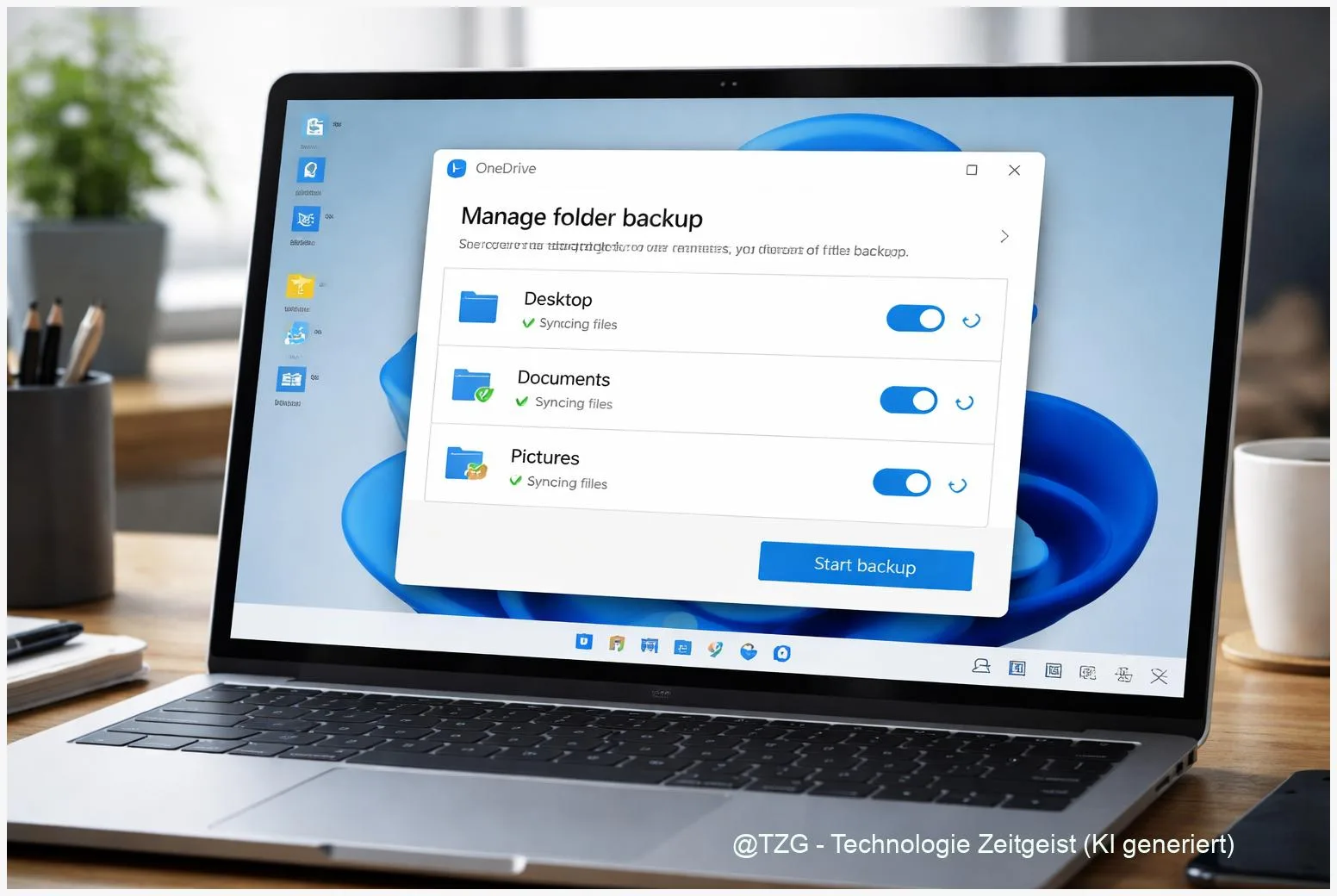
One habit that pays off: After you finish setup, create a restore point or make a first backup image with your preferred tool. It is much easier to recover a clean system than to repair a messy one.
Conclusion
A new Windows 11 PC does not need hours of tweaking, but it does need the right first steps. If you update fully, set up Windows Hello, confirm encryption where available, and review privacy permissions, you get a system that is both comfortable and harder to compromise. After that, uninstalling clutter and installing only essential apps keeps the PC fast and quiet. Keep Windows Update running regularly, and re-check key settings after major updates to maintain the same clean baseline over time.
What was the biggest surprise on your new PC—missing drivers, too many preinstalled apps, or privacy prompts? Share your setup tips, and pass this checklist to someone who is setting up Windows 11 for the first time.

Leave a Reply